SEO & Performance 7 min read

Technical SEO for Developers: Meta Tags, Structured Data and Core Web Vitals

Master the technical side of SEO with this full guide. Learn how to implement meta tags, structured data, Core Web Vitals improvement, and other developer-focused SEO strategies that drive organic traffic.

Key Insight

SEO isn't just for marketers, developers play a crucial role in implementing the technical foundations that search engines need to understand and rank your content effectively.

The SEO-Developer Relationship

While marketers focus on keywords and content strategy, developers implement the technical infrastructure that makes SEO possible. Understanding both sides creates websites that are both user-friendly and search-engine fast.

SEO Impact Metrics

75%
of clicks go to first page results
50%
of searches are questions
3.5x
mobile searches vs desktop
100%
technical SEO is developer territory

Meta Tags and Document Structure

The foundation of SEO starts with proper HTML structure and meta tags. These elements tell search engines what your page is about and how to display it in search results.

Title Tags

Keep them under 60 characters and include primary keywords. Use separators like pipes or dashes for readability.

Meta Descriptions

Write compelling 150-160 character descriptions that include keywords and call-to-action language.

Canonical URLs

Prevent duplicate content issues by specifying the preferred version of each page.

Structured Data Implementation

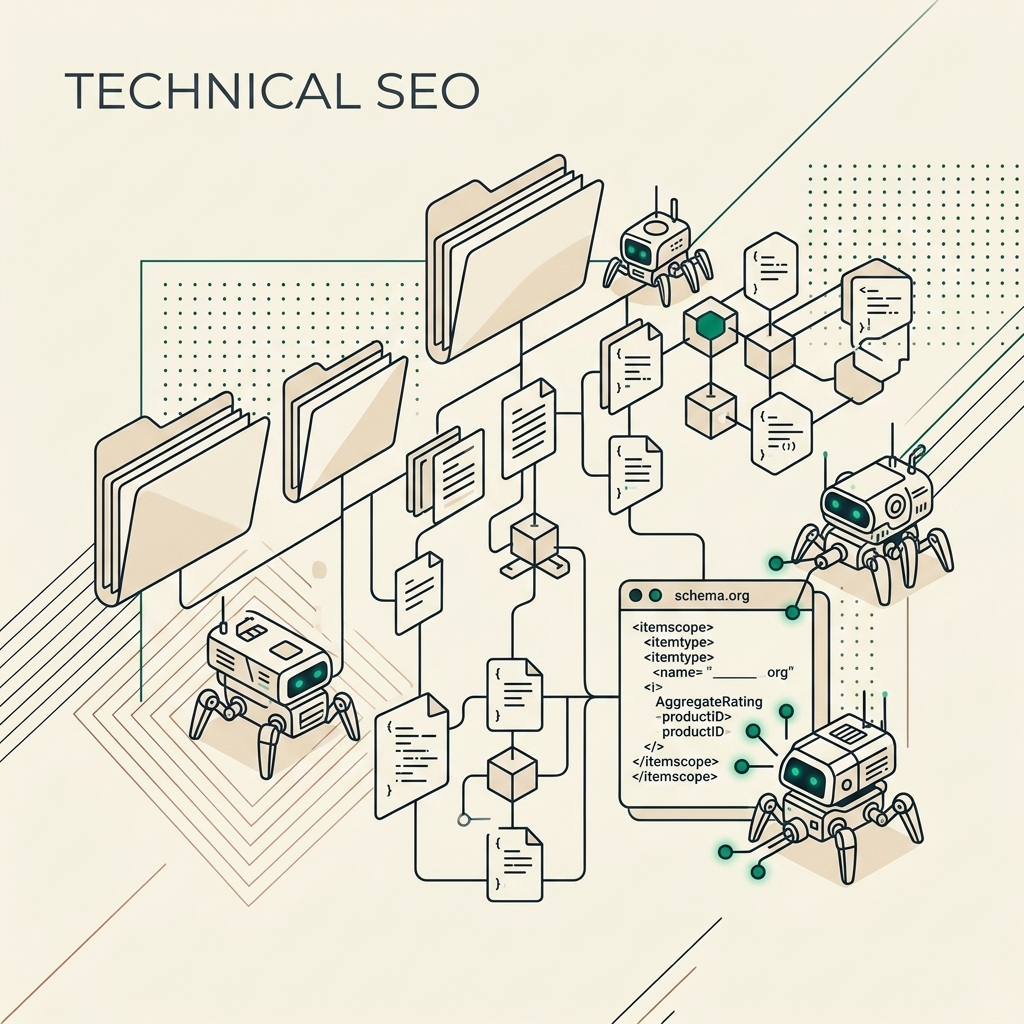
Structured data (Schema.org markup) helps search engines understand your content better, leading to rich snippets and enhanced search results.

Article Schema

For blog posts and articles, implement Article schema to qualify for rich snippets:

{
  "@context": "https://schema.org",
  "@type": "Article",
  "headline": "Your Article Title",
  "author": {
    "@type": "Person",
    "name": "Lay Shah"
  },
  "datePublished": "2026-02-07",
  "dateModified": "2026-02-07"
}

Organization Schema

Add organization markup to your homepage for local SEO and brand recognition:

{
  "@context": "https://schema.org",
  "@type": "Organization",
  "name": "Lay Shah",
  "url": "https://layshahdev.com",
  "logo": "https://layshahdev.com/logo.png"
}

Pro Tip

Use Google's Rich Results Test tool to validate your structured data implementation and see how it will appear in search results.

Core Web Vitals improvement

Google's Core Web Vitals are user experience metrics that affect search rankings. As developers, we control these technical factors.

Largest Contentful Paint (LCP)

Optimize server response times, remove render-blocking resources, and optimize images for fast loading.

First Input Delay (FID)

Minimize JavaScript execution time, break up long tasks, and use web workers for heavy computations.

Cumulative Layout Shift (CLS)

Include size attributes on images, avoid inserting content above existing content, and reserve space for ads.

Technical SEO Checklist

Use this full checklist to ensure your websites are technically fast for search engines:

Mobile-First Design

Ensure your site works perfectly on mobile devices with responsive design and fast loading times.

HTTPS Implementation

Secure your site with SSL certificates for better rankings and user trust.

XML Sitemap

Create and submit XML sitemaps to help search engines discover and index your pages.

Robots.txt improvement

Guide search engine crawlers to important pages while blocking unnecessary areas.

Developer Tools for SEO

Use these tools to monitor and improve your SEO performance:

Google Search Console

Monitor indexing status, search performance, and technical issues.

Google Analytics

Track user behavior, conversion rates, and identify improvement opportunities.

Lighthouse

Audit performance, accessibility, SEO, and best practices.

Screaming Frog

Crawl your site to identify technical SEO issues and broken links.

Advanced SEO Techniques

Once you have the basics covered, implement these advanced strategies for competitive advantage:

International SEO

Use hreflang tags for multi-language sites and implement proper URL structures for international targeting.

JavaScript SEO

Ensure search engines can crawl and index JavaScript-rendered content with proper server-side rendering or dynamic rendering.

Internal Linking Strategy

Create logical internal link structures to help search engines understand your site architecture and distribute link equity.

Measuring SEO Success

Track these key metrics to understand your SEO performance and identify areas for improvement:

Organic Traffic

Monitor visits from search engines and track growth over time.

Keyword Rankings

Track positions for target keywords and identify ranking improvements.

Backlink Profile

Monitor the quality and quantity of inbound links to your site.

Conversion Rates

Measure how SEO traffic converts into business outcomes.

Ready to Optimize Your SEO?

Technical SEO is a developer superpower. When implemented correctly, it creates the foundation for sustainable organic growth and better user experiences.

Need help implementing these SEO strategies on your website? Let's discuss how we can help optimize your technical foundation.

Conclusion

SEO is a collaborative effort between marketers and developers, but the technical implementation falls squarely on developers. By mastering these technical SEO fundamentals: from meta tags to Core Web Vitals, you can build websites that not only rank well but also provide good user experiences.

Remember, SEO is an ongoing process. Stay updated with algorithm changes, monitor your performance, and continuously optimize based on data and user feedback. The websites that succeed in SEO are those that balance technical excellence with valuable, user-focused content.

Need a developer to build this for you?

we are Lay Shah, a freelance full stack developer based in India. We build custom websites, React apps, and Python backends for small businesses worldwide.

Hire Us

Share this article: